The Complete Guide to Feldspar in 2026: Understanding Its Importance and Applications
Feldspar is a fascinating mineral that plays a crucial role in various industrial applications. As we move towards 2026, understanding the dynamics of feldspar becomes essential for industries and enthusiasts alike. This guide will delve into the intricacies of feldspar, its benefits, challenges, and real-world applications, providing you with a comprehensive understanding of this vital mineral.
What is Feldspar?
Feldspar refers to a group of rock-forming minerals that make up about 41% of the Earth’s continental crust by weight. Comprising a variety of elements such as potassium, sodium, calcium, and aluminum silicates, feldspar minerals are essential components in the composition of many igneous, metamorphic, and sedimentary rocks.
Types of Feldspar
1. Orthoclase Feldspar**: Known for its monoclinic crystal structure, this type is commonly used in the manufacturing of ceramics and glass.
2. Plagioclase Feldspar**: A series that includes several minerals varying in sodium and calcium content, widely used in the construction industry.
3. Microcline Feldspar**: Often green or pink, it finds applications in ceramics and as a gemstone.
Benefits and Advantages of Feldspar
Feldspar is integral to numerous industrial processes due to its unique properties:
Versatility: Used in the production of glass, ceramics, paint, plastics, and rubber.
Cost-Effectiveness: As a naturally abundant mineral, it offers an economical solution for various industries.
Enhancement of Product Quality: In ceramics, feldspar acts as a fluxing agent, reducing the melting temperature of quartz and helping to control the viscosity of glass.
Sustainability: Feldspar mining and processing are relatively low-impact on the environment compared to other minerals, aligning with sustainability goals.
Practical Tips and Strategies for Using Feldspar
Selecting the Right Type
Understanding the specific requirements of your industry is vital. For example, the glass industry might prefer potassium feldspar due to its high potassium oxide content, which enhances the glass’s strength and durability.
Optimizing Processing Techniques
Grinding and Pulverizing: Proper size reduction techniques to achieve the desired particle size distribution.
Flotation: Enhancing purity by removing impurities such as iron oxides through flotation processes.
Innovative Applications
With advancements in technology, feldspar’s applications are expanding. The development of nanocomposites and its use in 3D printing materials are promising areas to explore.
Common Challenges and Solutions
Impurities and Quality Control
Challenge: Presence of iron impurities can affect the color and quality of feldspar-based products.
Solution: Implementing advanced purification techniques such as magnetic separation and chemical leaching can help achieve high purity levels.
Supply Chain Issues
Challenge: Fluctuations in supply due to geopolitical factors can impact availability.
Solution: Diversifying supply sources and investing in local mining operations can mitigate these risks.
Environmental Concerns
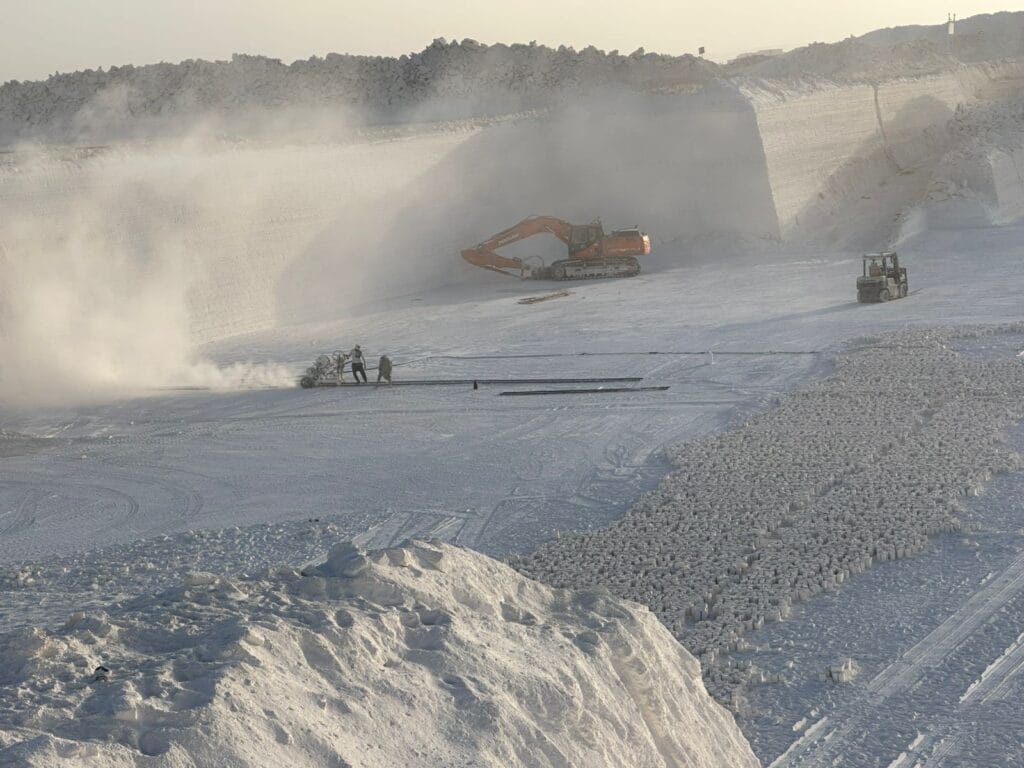
Challenge: Mining activities can lead to landscape alteration and habitat destruction.
Solution: Adopting sustainable mining practices and rehabilitation of mining sites post-extraction can reduce environmental impact.
Real-World Examples and Case Studies
Feldspar in the Ceramics Industry
In 2026, a leading ceramics manufacturer in China reported a 20% increase in production efficiency by optimizing their feldspar processing techniques. By switching to a more refined feldspar type, they not only enhanced the quality of their products but also reduced waste.
Innovations in Glass Manufacturing
A European glass company incorporated feldspar in their production process, resulting in a new line of eco-friendly glass bottles. This initiative not only improved the bottles’ aesthetic appeal but also contributed to a 15% reduction in energy consumption during production.
Conclusion
As we look towards 2026, feldspar remains a cornerstone mineral with vast potential across various industries. By understanding its properties, benefits, and challenges, businesses can harness its full potential while contributing to a more sustainable future. Whether it’s through innovative applications or improved processing techniques, feldspar continues to be an essential component in advancing industrial progress.
In conclusion, feldspar’s role in industry and innovation is undeniable. By staying informed and adapting to new technologies, stakeholders can optimize their use of this versatile mineral, ensuring its relevance and utility for years to come.