Talc powder in Egypt?
Talc powder in Egypt is a high-purity hydrated magnesium silicate mineral supplied for industrial uses such as plastics, ceramics, paper, paint, and personal care. Egyptian talc is valued for its softness, whiteness, fine particle size, and processing consistency.
[IMAGE PLACEHOLDER: Featured image showing Egyptian talc powder, raw talc rock, and industrial end-use samples such as ceramic tiles, plastic parts, and paper sheets.]
What is talc powder in Egypt?
Talc powder is a finely ground mineral composed mainly of magnesium, silicon, and oxygen. In Egypt, talc is processed from mined raw material into grades suitable for manufacturing, where buyers often compare purity, whiteness, moisture, and particle size.
Egypt is known as a sourcing location for industrial minerals, and talc is commonly supplied for applications that require smoothness, filler performance, thermal resistance, and dimensional stability. On the Macron site, buyers can review the main Talc Powder product page and the company Profile for production background.
How is talc powder produced in Egypt?
Egyptian talc powder is typically produced through a controlled mineral-processing sequence:
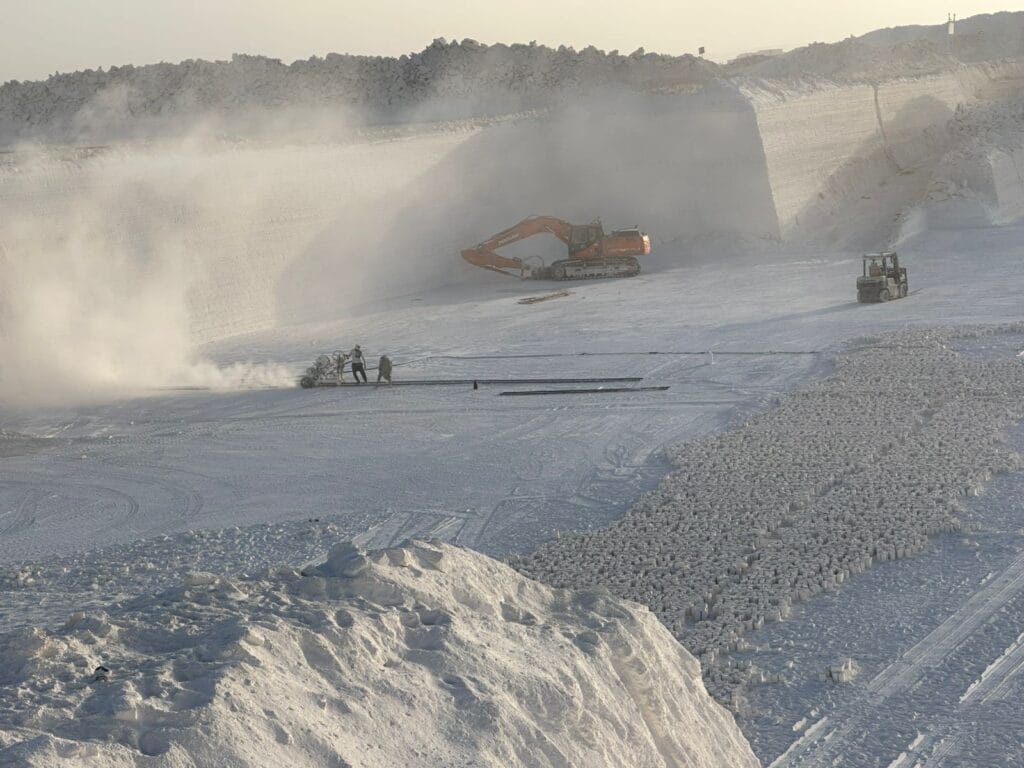
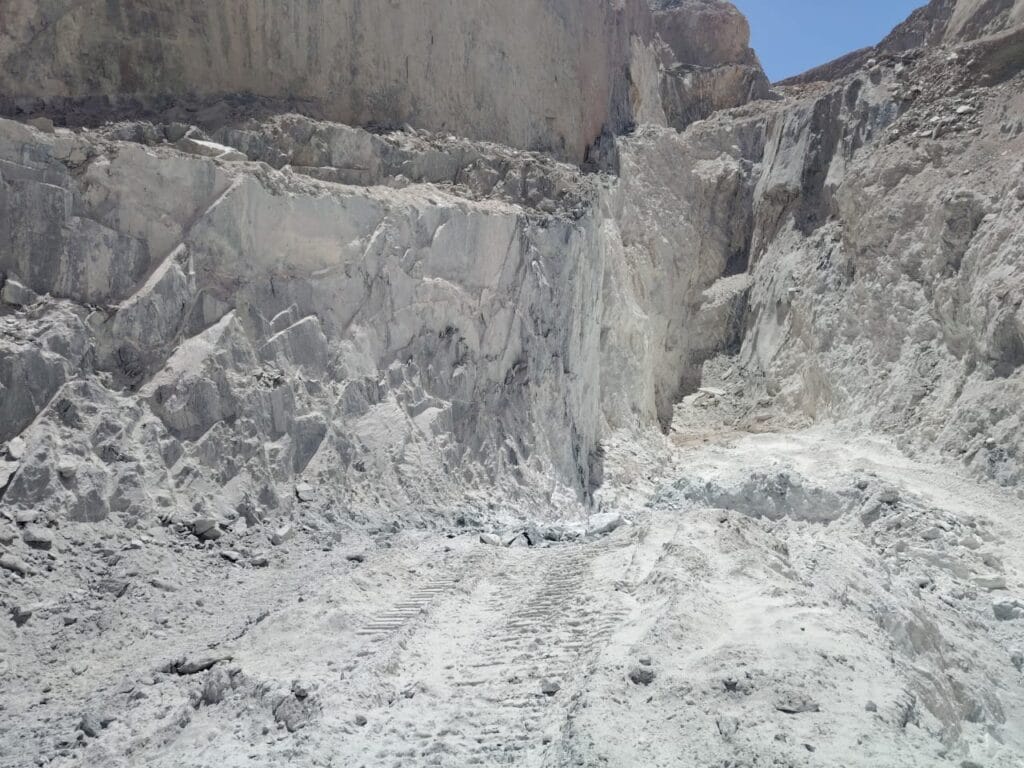
- Extraction from quarries or mines.
- Crushing of raw talc rock into smaller pieces.
- Grinding and classification to achieve the target particle size.
- Impurity removal and quality control to meet grade specifications.
- Packaging and dispatch for local or export supply.
This process matters because industrial buyers need repeatable physical properties, not just raw mineral availability. Macron also explains its wider mineral production capabilities on the Latest News & Articles section and related product pages.
[VIDEO PLACEHOLDER: Short factory-process explainer showing extraction, crushing, grinding, lab testing, and final packaging of talc powder in Egypt.]
What properties make Egyptian talc useful?
The most important talc powder properties usually include:
- Softness for smooth surface feel and easy dispersion
- Whiteness for visual quality in finished products
- Fine particle size for better filler distribution
- Moisture control for stable processing
- Chemical purity for predictable industrial performance
- Thermal resistance for ceramics and polymer applications
Published market examples in Egypt describe talc products reaching very high purity levels and particle sizes around the micron range, depending on grade and application. Buyers should still confirm each specification with a technical data sheet and sample approval before purchase.
Where is talc powder used?
Egyptian talc powder is used across multiple sectors because it can improve processing efficiency and product performance.
- Plastics: improves stiffness, dimensional stability, and moldability
- Ceramics: supports strength, workability, and heat resistance
- Paper: improves smoothness, opacity, and print surface quality
- Paint and coatings: functions as an extender and rheology-support mineral
- Personal care: used in selected powder-based formulations where regulations and grade suitability allow
Talc powder in Egypt vs imported talc
| Factor | Talc powder in Egypt | Imported talc |
|---|---|---|
| Source proximity | Strong for regional MENA buyers | May require longer supply chains |
| Lead time | Often shorter for nearby buyers | Can be longer depending on origin |
| Grade flexibility | Depends on local processor capability | Depends on overseas supplier range |
| Freight cost | Can be lower for regional delivery | Often higher due to international logistics |
| Technical review | Sample and specification review still required | Sample and specification review still required |
How should buyers evaluate talc powder suppliers in Egypt?
Buyers should compare suppliers using clear technical and operational criteria:
- Purity and whiteness certificates
- Particle size distribution
- Moisture limits
- Application-specific grade matching
- Packaging options and monthly supply capacity
- Mine ownership or raw material control
- Quality control procedures and sample support
A practical buying process starts with the required end use, then matches that use to the right talc grade. For direct sourcing questions, the Macron Contact Us page is the best internal destination.
Frequently asked questions
What is talc powder mainly used for in Egypt?
Talc powder in Egypt is mainly used in plastics, ceramics, paper, paint, and some personal care applications. The exact grade depends on purity, particle size, and performance requirements.
Why do manufacturers choose Egyptian talc powder?
Manufacturers often choose Egyptian talc because of its industrial availability, processability, and application range. Regional sourcing can also help with freight efficiency and supply timing.
How do buyers check talc powder quality?
Buyers usually review a technical data sheet, lab analysis, sample material, and application trial results. The most common checkpoints are purity, whiteness, moisture, and particle size distribution.
How long does talc powder sourcing take?
Lead time depends on stock availability, processing requirements, packaging format, and destination country. Sample approval can add extra time before full commercial shipment.
Where does talc powder in Egypt come from?
Talc powder in Egypt comes from locally extracted talc ore that is crushed, milled, classified, and packed for industrial use. Supply quality depends on the deposit, processing controls, and final grade specification.
Is talc powder in Egypt suitable for export?
Yes, many Egyptian suppliers position talc powder for local and export markets. Export suitability depends on consistent specs, documentation, packaging, and buyer-specific compliance requirements.
What specification matters most when buying talc powder?
There is no single universal specification. The most important requirement is the one tied to the end use, such as whiteness for appearance, particle size for dispersion, or purity for technical performance.
Sources: Customer website content from Macron Talc; Egyptian export marketplace listing data; publicly available competitor product pages used for market context.